Summary
Working via the LASER Energy framework, EvoEnergy was appointed by Suffolk County Council to provide early-stage renewable energy consultancy for a proposed solar car park and smart grid project.
The council had identified an opportunity to expand its solar PV capacity and improve how energy demand was managed across a cluster of local buildings, but required specialist technical input to establish whether the concept was viable.
EvoEnergy supported the project from feasibility through to tender readiness, providing the technical clarity needed to progress with confidence.
The challenge
Suffolk County Council had a clear ambition to increase on-site renewable generation by installing solar PV above a multi-storey car park and connecting this new generation with existing solar assets. However, the project was at an early feasibility stage and the council had limited technical information about the car park structure, the suitability of potential roofing and solar solutions, and how new infrastructure could interface with existing electrical systems.
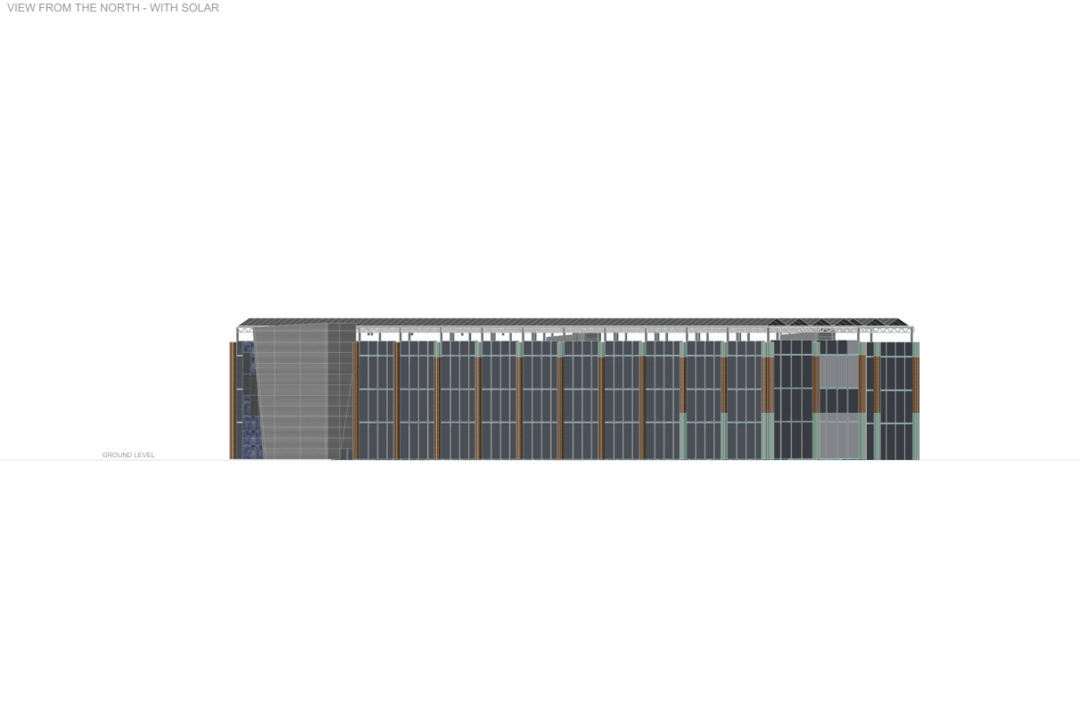
In addition, the council wanted to explore the creation of a smart grid to aggregate electrical load across multiple nearby buildings, but did not yet have a defined technical route to achieve this.
These uncertainties made it difficult to determine whether the project could move forward to procurement without introducing unacceptable risk.
Our Solution
EvoEnergy was appointed to turn an early-stage concept into a technically defined and deliverable project. We carried out a comprehensive feasibility process that combined site visits, specialist surveys, and desktop analysis to build a clear understanding of the existing asset and its constraints.

This included electrical, structural, topographical, and utilities tracing surveys to establish how the proposed solar car park and associated infrastructure could be engineered safely and effectively.
Using this information, EvoEnergy developed the project design through RIBA Stages 3 and 4 and produced a robust technical specification that could be used to take the scheme to market. Throughout the process, our focus was on reducing uncertainty and ensuring the council had a clear, evidence-based route to procurement.
The Result
Our analysis demonstrated that the project was technically feasible, subject to final detailed design, and identified opportunities to improve how the proposed smart grid could operate.
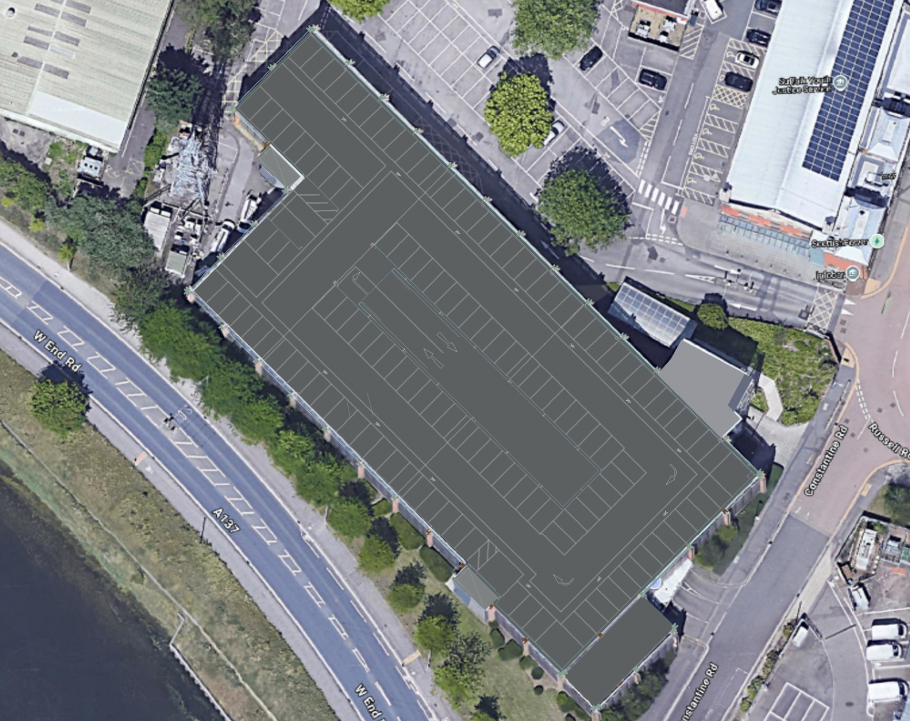
In particular, EvoEnergy recommended an alternative approach to connecting and operating the smart grid using a high-voltage connection rather than a low-voltage arrangement, providing a more robust and scalable solution than originally envisaged.
Based on our findings and recommendations, Suffolk County Council agreed to proceed with the project and prepare it for tender. EvoEnergy’s consultancy support provided the confidence that the concept was deliverable, allowed the council to move forward more quickly, and ensured the project entered procurement with a clear and well-defined technical foundation.