Table of Contents
- Key Takeaways
- How to Safely Clean Your Solar Panels From The Ground
- Essential Equipment for Ground-Level Cleaning
- Step-by-Step Guide For How To Clean Solar Panels from the Ground
- Common Mistakes to Avoid When Investigating How To Clean Solar Panels From The Ground
- Comparing Ground Cleaning Methods: Which is Most Effective for Solar Panels?
- How roof tilt impacts ground cleaning
- Best Practices for Cleaning Solar Panels from the Ground
- Maintaining Clean Solar Panels: Tips for Long-Term Care
- Keep Your Solar Panels Shining and Saving!
Key Takeaways
- Cleaning solar panels from the ground is a safe and effective method to maintain their efficiency without the risks associated with working at heights.
- Essential equipment for ground-level cleaning includes telescopic poles with soft brushes or sponges, a hose with a gentle spray nozzle, soft-bristle brush attachments, and eco-friendly cleaning solutions.
- The recommended cleaning process involves an initial rinse to remove loose debris, applying a suitable cleaning solution, gently scrubbing to eliminate stubborn dirt, and a final rinse to ensure a spot-free finish.
- Using a garden hose or pressure washer with a gentle spray setting can effectively clean solar panels from the ground, provided care is taken to avoid applying excessive pressure that could damage the panels.
This guide will show you how to clean your solar panels effectively from the ground. One part of solar panel maintenance that often gets overlooked is ground cleaning. Ground cleaning involves removing dirt, dust, and debris from the surface of your solar panels, which can block sunlight and reduce their efficiency.
Making ground cleaning a regular part of your maintenance routine can significantly improve your solar panels’ performance and energy output.
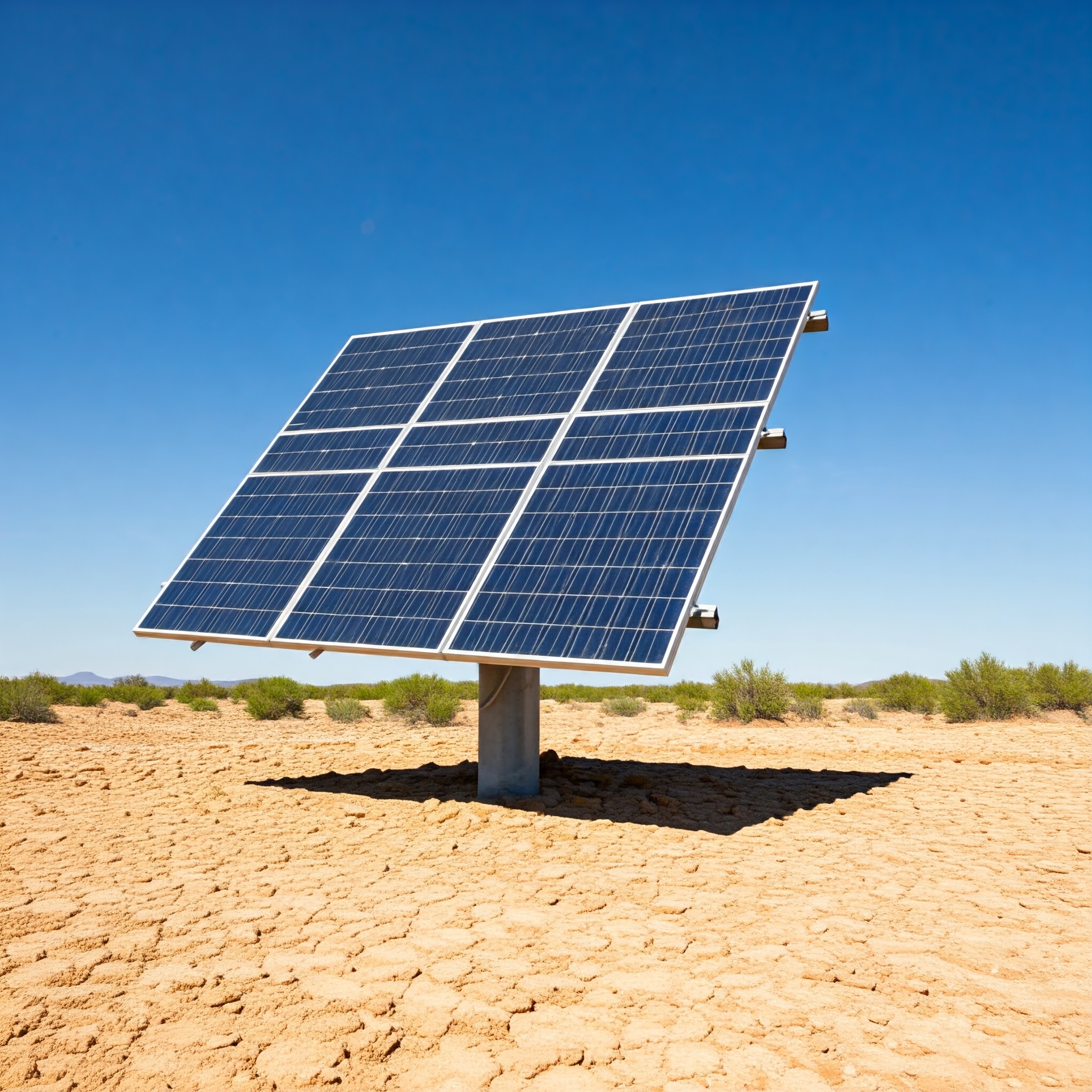
What does it mean to clean solar panels from the ground?
Ground-level solar panel cleaning is the practice of washing photovoltaic (PV) panels using extendable equipment, such as telescopic water-fed poles, without climbing onto the roof. This method is recommended by solar installers as the safest approach for homeowners and commercial property managers maintaining rooftop solar systems in the UK.
Why Clean Your Solar Panels from the Ground?
Cleaning solar panels from the ground is the safest DIY maintenance method because it removes the risk of falls, roof damage, and electrical hazards associated with rooftop access. EvoEnergy’s installation teams consistently observe that ground-level cleaning, when done correctly, delivers the same efficiency gains as professional rooftop cleaning for standard UK residential and commercial arrays.
Ground-level cleaning also protects your warranty. Many solar panel manufacturers void warranties when improper cleaning techniques, such as abrasive materials or high-pressure washing, cause surface scratches or micro-cracks. By staying on the ground with purpose-built tools, homeowners avoid these risks entirely.
Essential Equipment for Ground-Level Cleaning
You’ll need the right tools to clean your solar panels effectively from the ground. Here’s what you should have on hand:
- Telescopic Poles with Soft Brushes or Sponges: These allow you to reach the panels without leaving the ground. The soft brush or sponge ensures that you don’t scratch the panels’ surface.
- Hose with Gentle Water Spray Nozzle: A standard garden hose with an adjustable nozzle works well for rinsing off debris. The key is to use a gentle spray to avoid damaging the panels.
- Soft-Bristle Brush Attachments: These can be attached to telescopic poles and are ideal for scrubbing away stubborn dirt.
- Eco-Friendly Cleaning Solutions: Specially formulated cleaning solutions are available that are safe for use on solar panels. These help to remove grime without harming the environment or the panels themselves.

Step-by-Step Guide: How to Clean Solar Panels from the Ground
This four-step process takes approximately 20–40 minutes for a standard UK residential array (typically 10–16 panels) and requires no specialist skills beyond the right tools. EvoEnergy recommends performing this routine every quarter to maintain optimal energy output.
Step 1: Pre-Clean Inspection
Before applying water, visually inspect panels from the ground. Look for cracks, discoloration, or physical damage. If damage is visible, do not clean, contact a qualified solar engineer instead. Also confirm the system is switched off at the inverter before starting.
⚠️ Safety checkpoint: Never clean panels while the system is generating power. Switch off at the inverter or generation meter first.
Step 2: Initial Rinse to Remove Loose Debris
Using a garden hose on its gentlest spray setting, rinse panels from top to bottom. This removes loose dust, pollen, and bird droppings, and pre-soaks the surface to loosen bonded grime. Avoid jet settings, excessive pressure can dislodge panel mounts or force water into junction boxes.
Step 3: Apply Cleaning Solution and Scrub
Apply an eco-friendly solar cleaning solution via a water-fed pole or spray bottle. Attach a soft-bristle brush to the telescopic pole and scrub in gentle circular motions, working from the top of each panel downward. Do not apply downward pressure, let the solution do the work.
Step 4: Final Rinse and Streak Prevention
Rinse panels thoroughly with clean water to remove all soap residue. Leftover detergent creates a film that attracts dust faster and reduces light absorption. Use a squeegee attachment to remove excess water and finish streak-free. Work in overlapping strokes from top to bottom.
Using a Garden Hose or Pressure Washer
One of the most common and effective techniques for cleaning solar panels from the ground is a garden hose or pressure washer. The process involves:
- Gently spraying the solar panels with water to remove loose dirt and debris.
- Using a soft-bristled brush to scrub the panels with a mild cleaning solution.
- Rinsing the panels thoroughly with the garden hose or pressure washer to eliminate any remaining residue.
Common Mistakes to Avoid When Investigating How To Clean Solar Panels From The Ground
Avoiding Harsh Chemicals
While using household cleaners or harsh chemicals might be tempting, these can do more harm than good. Abrasive cleaners can scratch the surface of your panels, reducing their efficiency. Always use a cleaner specifically designed for solar panels.
Not Cleaning on Hot Days
As mentioned earlier, cleaning on a hot day can cause the water and cleaning solution to dry too quickly, leading to streaks and spots on the panels. For the best results, stick to cooler, overcast days.
Over-Scrubbing the Panels
It’s important to clean thoroughly, but over-scrubbing can cause scratches or damage the panels. Use a light touch and let the cleaning solution do most of the work.

Comparing Ground-Level Cleaning Methods
For most UK homeowners with standard rooftop arrays, manual ground cleaning with a telescopic pole is the most cost-effective approach; automated systems only become worthwhile above approximately 50 panels. EvoEnergy’s solar engineers recommend professional cleaning for commercial installations or panels with heavy soiling beyond DIY reach.
Pros and Cons of Ground Cleaning Methods
Manual Cleaning
- Pros: Cost-effective, provides a hands-on approach for thorough cleaning, suitable for smaller solar panel arrays.
- Cons: Time-consuming, labor-intensive, may not be efficient for large-scale installations
Automated Cleaning
- Pros: Efficient for large arrays, reduces labor costs, can be programmed for regular cleaning cycles.
- Cons: Higher initial investment, maintenance of automated systems required, may not reach all areas effectively.
| Cleaning Method |
Best For |
Typical Cost |
Key Limitation |
| Manual (telescopic pole) |
Residential 1–20 panels |
£0–£30 (equipment) |
Labour-intensive for large arrays |
| Automated robotic system |
Commercial 50+ panels |
£500–£2,000+ (setup) |
High upfront cost; maintenance required |
| Professional cleaning service |
All sizes, heavy soiling |
£50–£150 per visit |
Ongoing service cost |
How Roof Tilt Affects Ground-Level Cleaning?
Roof pitch directly affects how effectively you can clean panels from the ground, steeper roofs naturally shed rain and debris, while shallow pitches accumulate dirt in standing water. EvoEnergy installs the majority of UK residential solar arrays at pitches between 15° and 40°, all of which are accessible from ground level with a standard telescopic pole.
- Pitch under 15°: Higher dirt accumulation; panels may require cleaning every 6–8 weeks in pollen-heavy areas
- Pitch 15–35°: Optimal self-cleaning range with rainfall assistance; quarterly cleaning is typically sufficient
- Pitch above 35°: Faster runoff means less dirt build-up; bi-annual cleaning is often adequate
- Flat roof arrays: Most vulnerable to soiling and pooling; monthly inspection recommended

Best Practices for Cleaning Solar Panels from the Ground
Implementing best practices for cleaning solar panels from ground level is crucial to ensure optimal performance and longevity of your solar energy system. Let’s explore the recommended practices that can enhance the effectiveness of your cleaning routine:
Safety Measures
When engaging in solar panel cleaning activities, prioritizing safety is paramount. Some key safety measures include:
- Wearing proper protective gear such as gloves and eyewear to prevent injuries during cleaning.
- Turning off the solar panels before cleaning to avoid electrical hazards and ensure a safe working environment.
Timing of Cleaning
The timing of solar panel cleaning plays a significant role in the overall effectiveness of the process. It is advisable to clean the panels in the early morning or evening to:
- Avoid heat damage to the panels when cleaning during peak sunlight hours.
- Maximize the cleaning efficiency by working in cooler temperatures, facilitating better cleaning results.
Pre-Cleaning Inspection
Before initiating the cleaning process, conducting a thorough inspection of the solar panels is essential. This inspection involves:
- Check for any cracks, scratches, or damages on the panels that may require immediate attention or repair.
- Ensuring the panels are structurally sound and free from any defects that could impact their performance post-cleaning.

Maintaining Clean Solar Panels: Tips for Long-Term Care
Regular Cleaning Schedule
Cleaning your solar panels regularly is important to keep them operating at maximum efficiency. In the UK, it is generally recommended that you clean your panels twice a year, once in the spring to remove winter grime and once in the autumn to clear away summer dust and debris.
Inspecting for Damage During Cleaning
While cleaning, inspect your panels for any signs of damage, such as cracks, chips, or loose wiring. Catching these issues early can prevent more serious problems later.
Professional Cleaning: When to Call in the Experts
If your panels are heavily soiled or uncomfortable cleaning them yourself, it might be worth hiring a professional cleaning service. They have the tools and expertise to clean your panels safely and effectively.

Keep Your Solar Panels Shining and Saving!
Regular cleaning is essential to maintain the efficiency and longevity of your solar panels. By following this guide and cleaning your panels from the ground, you can ensure they continue to produce maximum energy output, saving you money on energy bills and reducing your carbon footprint.
While DIY cleaning is effective, your solar panels may need a professional touch. EvoEnergy offers expert solar panel aftercare and maintenance services tailored to the unique needs of UK businesses and homeowners. With EvoEnergy, you can rest assured that your panels are in the best hands, maximizing your solar investment and saving energy.
Visit us to learn more about our comprehensive solar panel services and ensure your panels always perform at their best!
Frequently Asked Questions
1. What equipment do I need to clean solar panels safely from the ground?
You’ll need telescopic poles with soft brushes or sponges, a garden hose with a gentle spray nozzle, soft-bristle brush attachments, and eco-friendly cleaning solutions to protect the panels and the environment.
2. What’s the proper method for ground-level solar panel cleaning?
First rinse off loose debris gently, apply an eco‑friendly cleaner, scrub lightly using soft-bristle attachments in circular motions (top to bottom), then perform a final rinse, optionally use a squeegee for a streak-free finish.
3. What common mistakes should I avoid when cleaning solar panels from the ground?
Avoid using harsh chemicals, refrain from cleaning on hot days, and do not over-scrub, each can damage the surface or reduce panel efficiency.
4. Can I clean solar panels from the ground without a ladder?
Yes, ground-level solar panel cleaning is entirely possible using a telescopic water-fed pole with a soft brush attachment, which can reach panels up to 24 feet high without requiring roof access or a ladder. EvoEnergy recommends this method as the default approach for all DIY solar panel maintenance.
5. How often should I clean solar panels in the UK?
UK solar panels should be cleaned every 3–6 months as a general rule, with additional cleans after storms, prolonged dry spells, or heavy pollen seasons. Panels installed at pitches below 15° may need more frequent attention due to reduced rainfall self-cleaning. EvoEnergy’s engineers recommend monitoring your system’s output data, a sustained drop of 5–10% often indicates cleaning is needed.
6. What is the best cleaning solution for solar panels
The best cleaning solution for solar panels is a pH-neutral, eco-friendly detergent specifically formulated for photovoltaic glass, or, for light soiling, plain deionised water. Avoid household cleaners, vinegar mixtures, and anything abrasive or solvent-based, as these can degrade the anti-reflective coating and void your panel warranty.
7. Will using a pressure washer damage solar panels?
A pressure washer set to high pressure can crack solar panel glass, dislodge mounting brackets, and force water into electrical junction boxes, potentially voiding your warranty and creating a safety hazard. If using a pressure washer, always set it to the lowest available pressure setting and maintain a distance of at least 30cm from the panel surface.
8. What time of day is best to clean solar panels?
Early morning or late afternoon on an overcast day is the best time to clean solar panels. Cleaning during peak sun hours causes rapid water evaporation that leaves mineral streaks, and applying cold water to thermally-stressed panels can cause micro-fractures in the glass. EvoEnergy’s maintenance teams always schedule cleans for cooler periods to maximise cleaning effectiveness and protect panel integrity.